Merced River
El Río de Nuestra Señora de la Merced ("River of Our Lady of Mercy")
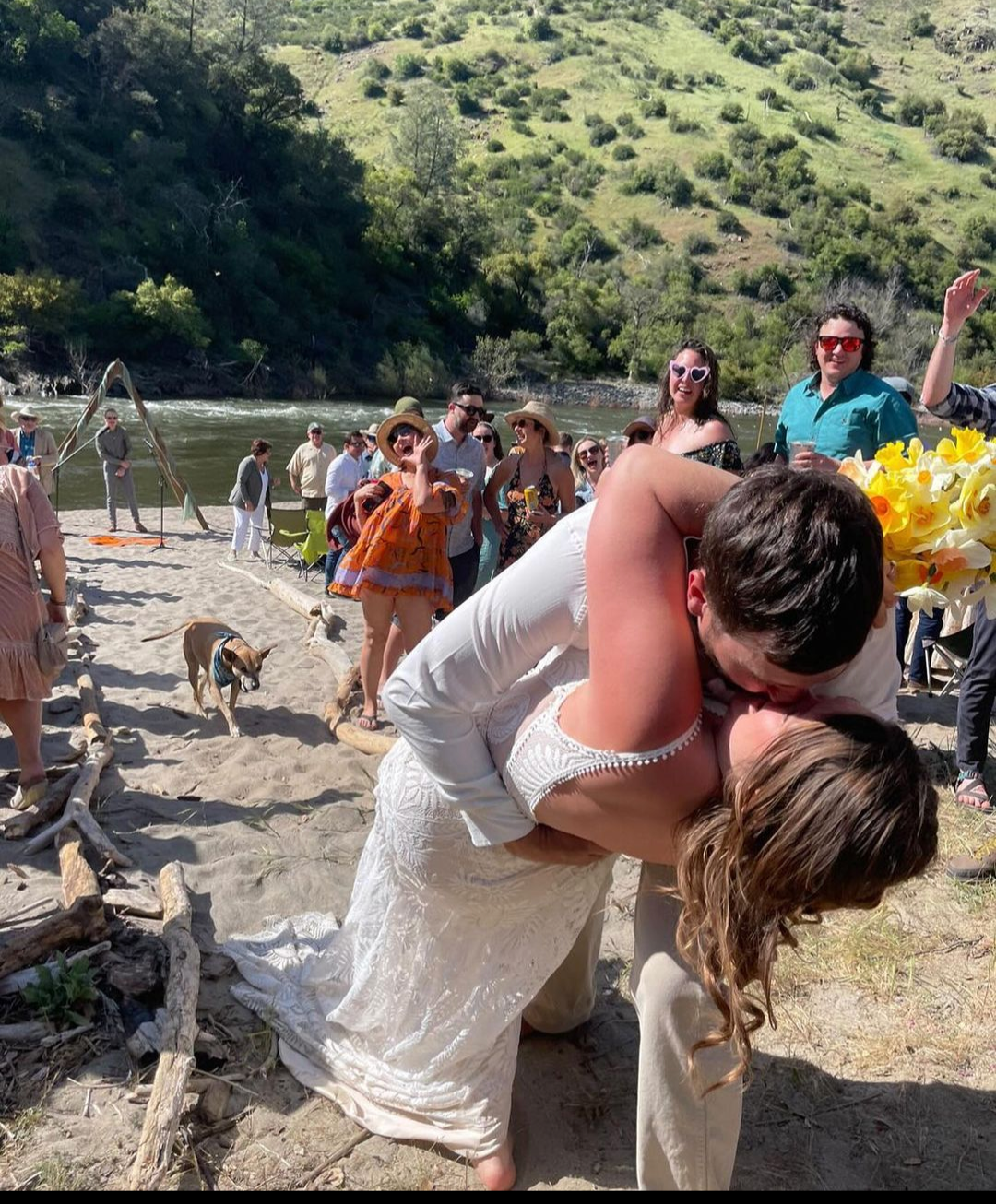
The Mighty Merced River is one of the great loves of my life. This river is my lifeblood, my livelihood, my state of grace. I married on her banks and share a deep connection to her cool and crystal waters. An iconic freestone granite river that captivates the hearts and minds of millions of visitors. I moved onto a tributary of the Merced at 16 and quickly fell for its towering granite cliffs and raging waterfalls. The Merced is glacially carved, diverse, and about 145 miles long. A classic trout stream of extreme beauty that lives and dies by its snowpack.
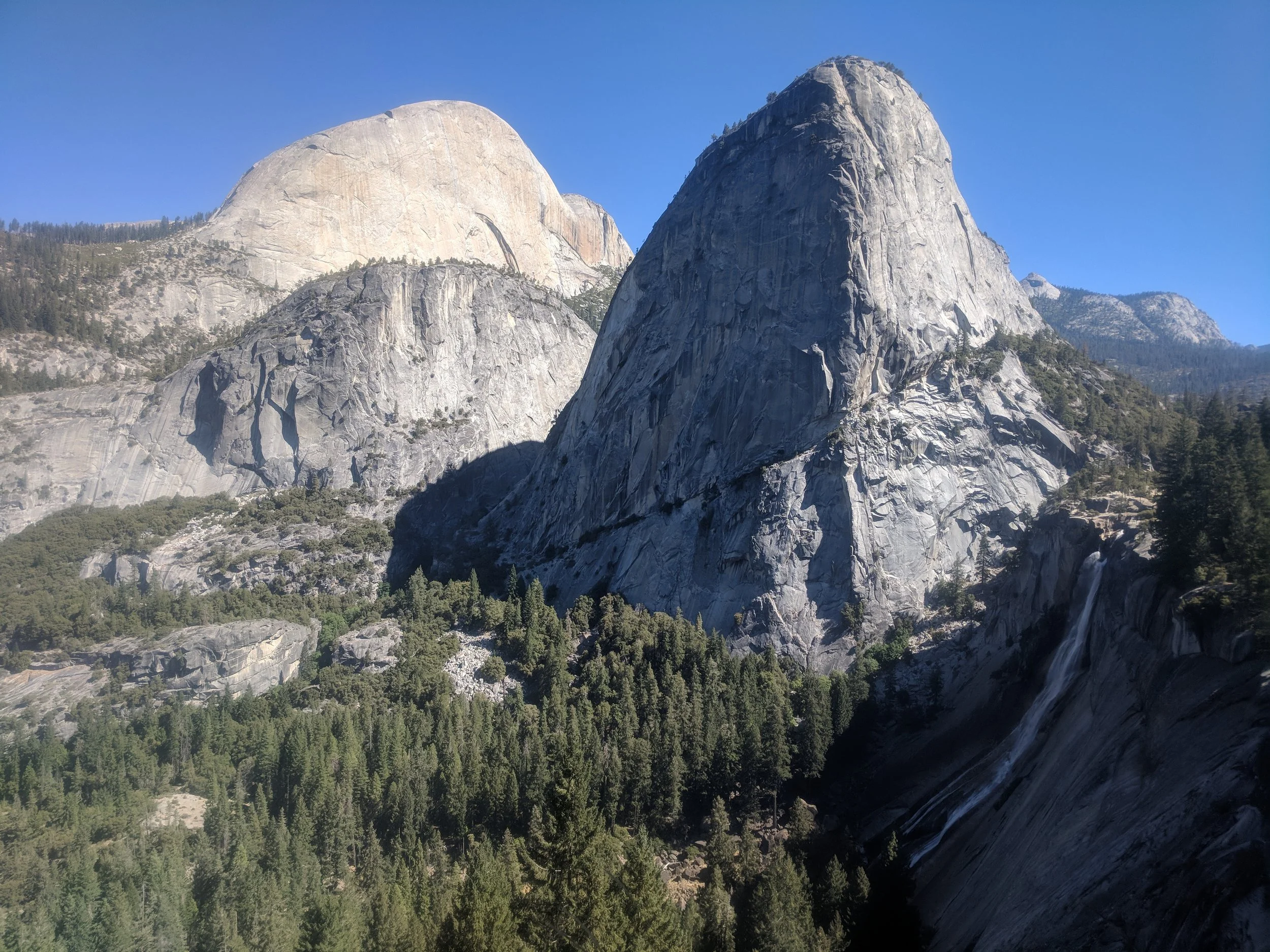
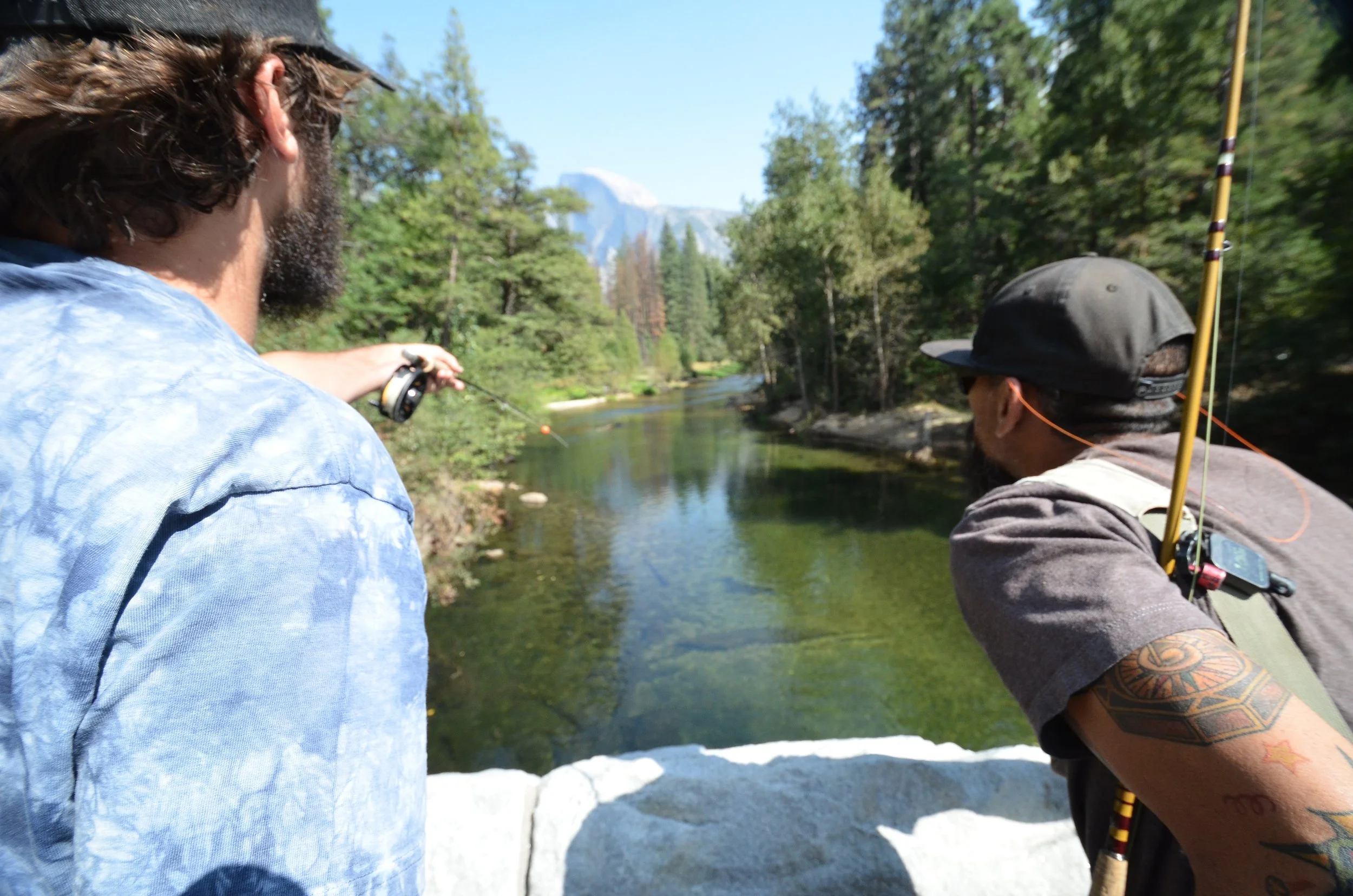
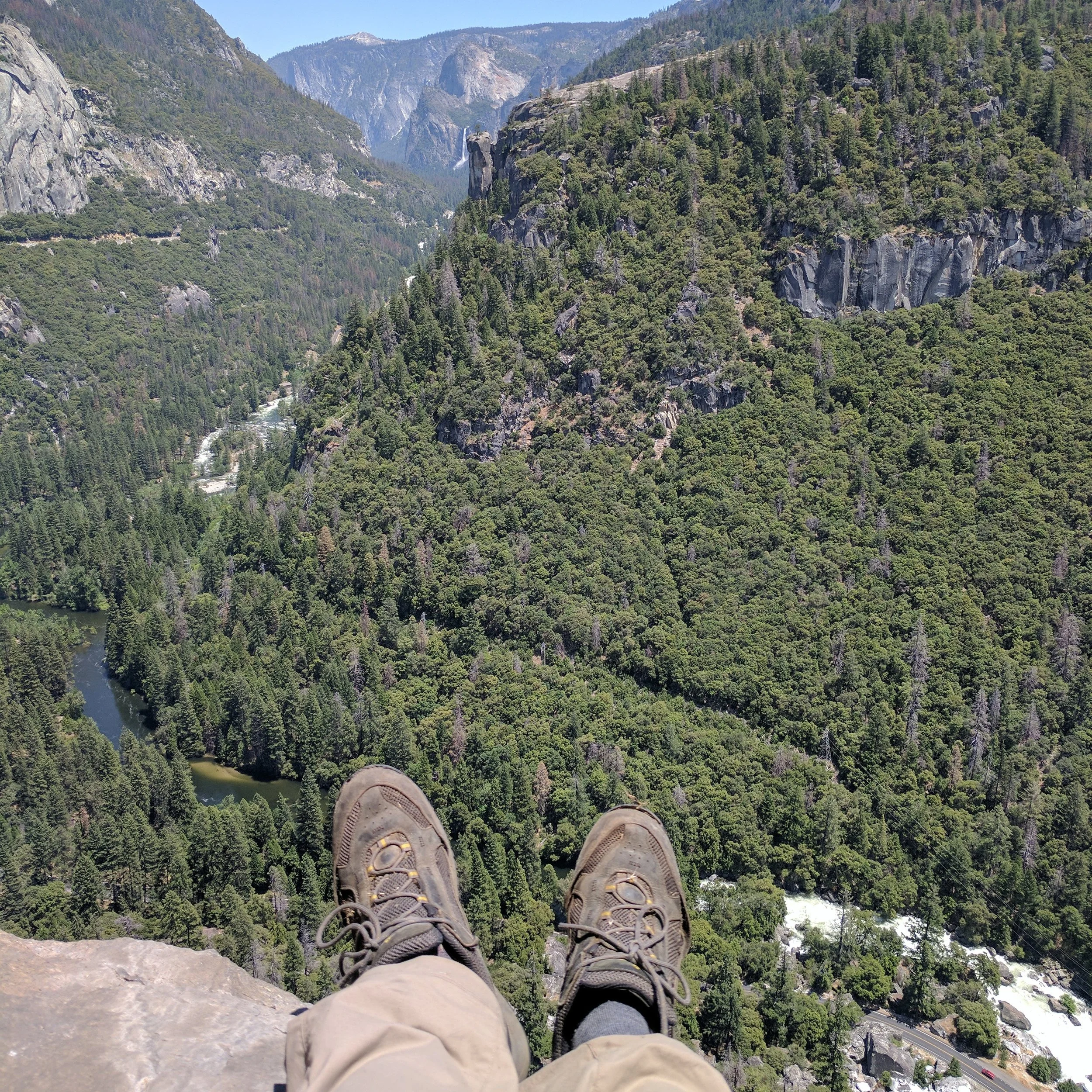
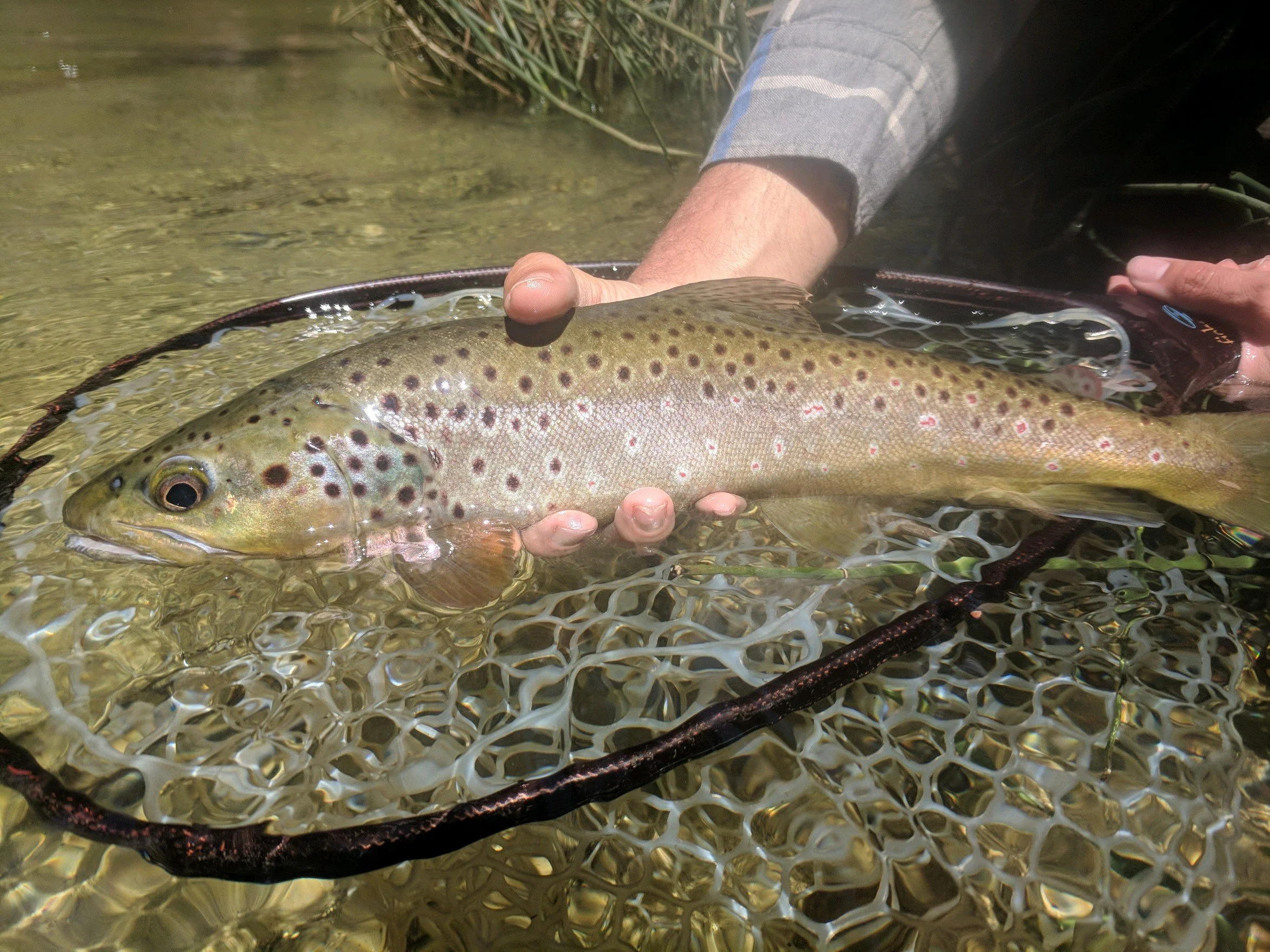
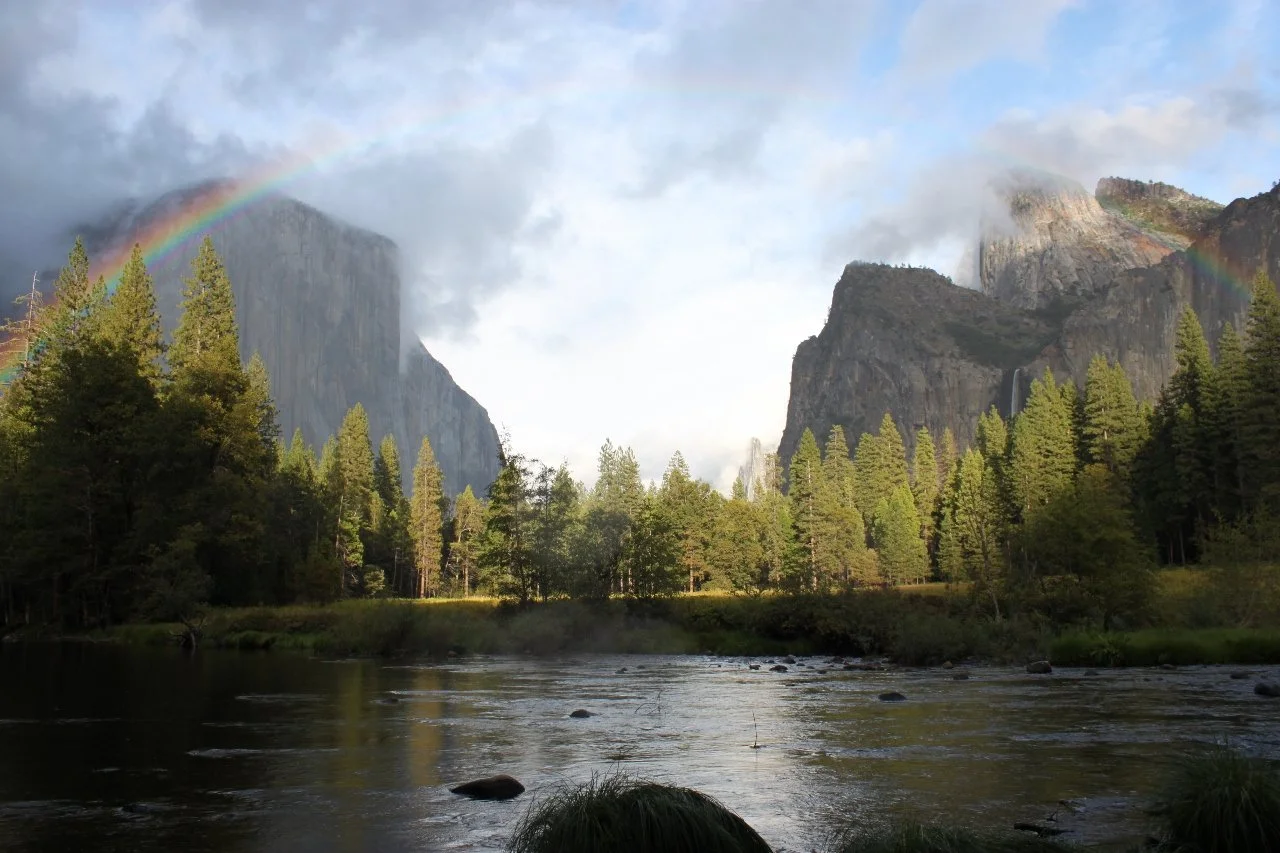
Originating at the Clark Range before greeting Lyell Peak Fork and Red Peak Fork prior to cascading into Washburn and Merced Lakes. Brookies, browns, and rainbows abound. It notably reaches Little Yosemite Valley before tumbling over Nevada and Vernal Falls. The rivers character changes once again when it reaches the meandering meadows of Yosemite Valley, where it sees the park’s significant majority of 4 million visitors. Tread lightly and explore with curiosity to find your own corner of one of world’s greatest valleys. It’s apparent that, when you come to Yosemite Valley, you have to reframe reality — the vertical environment, how small you feel.
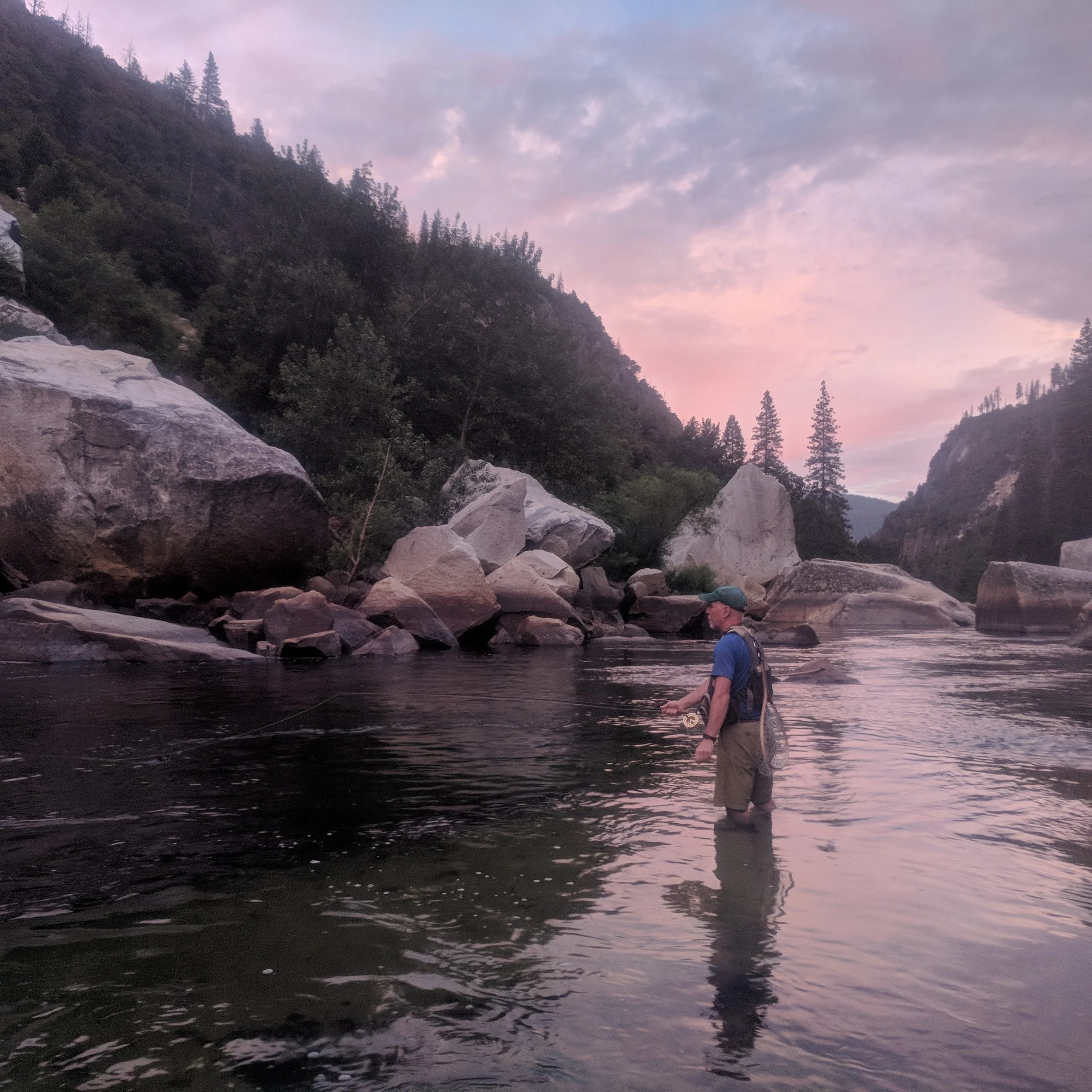
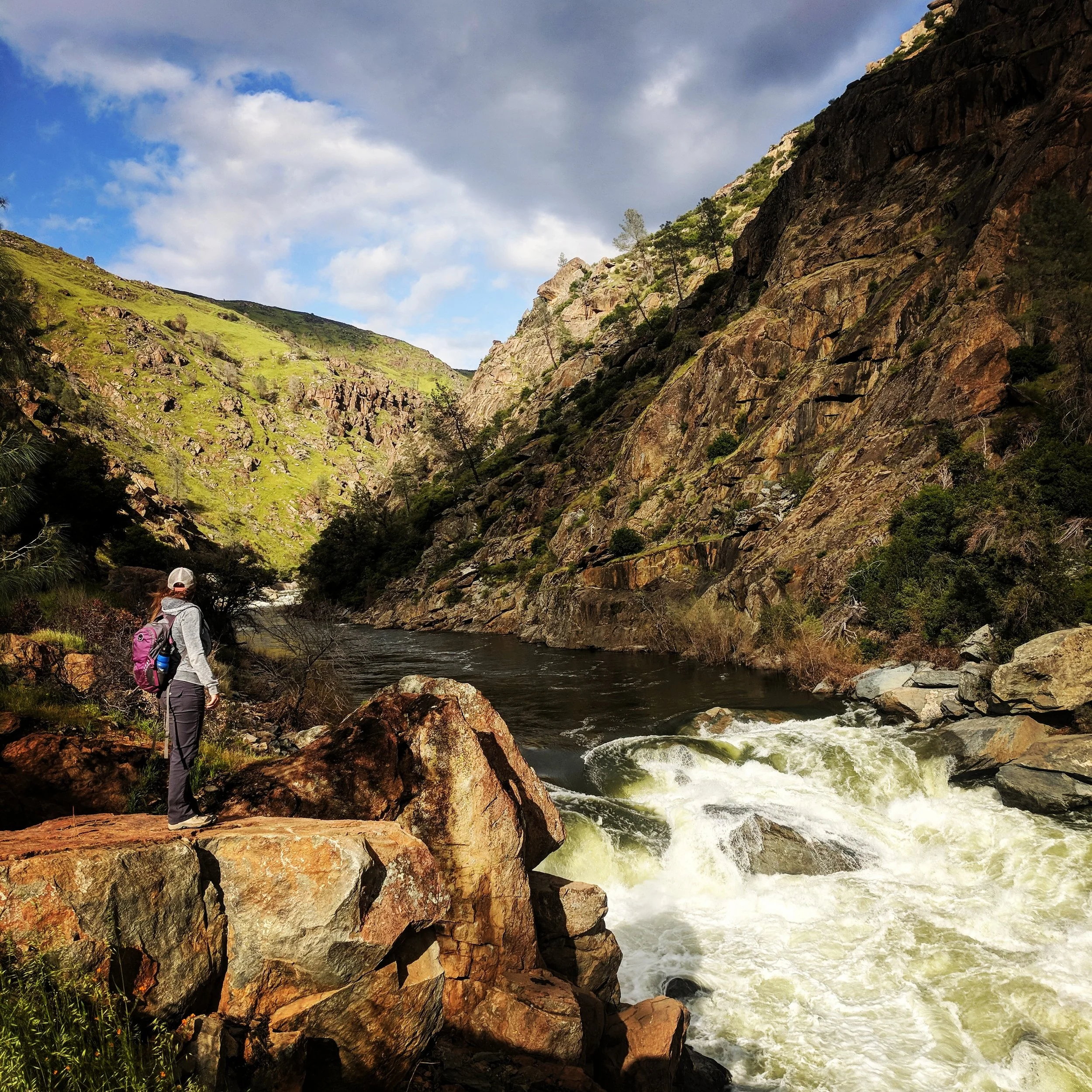
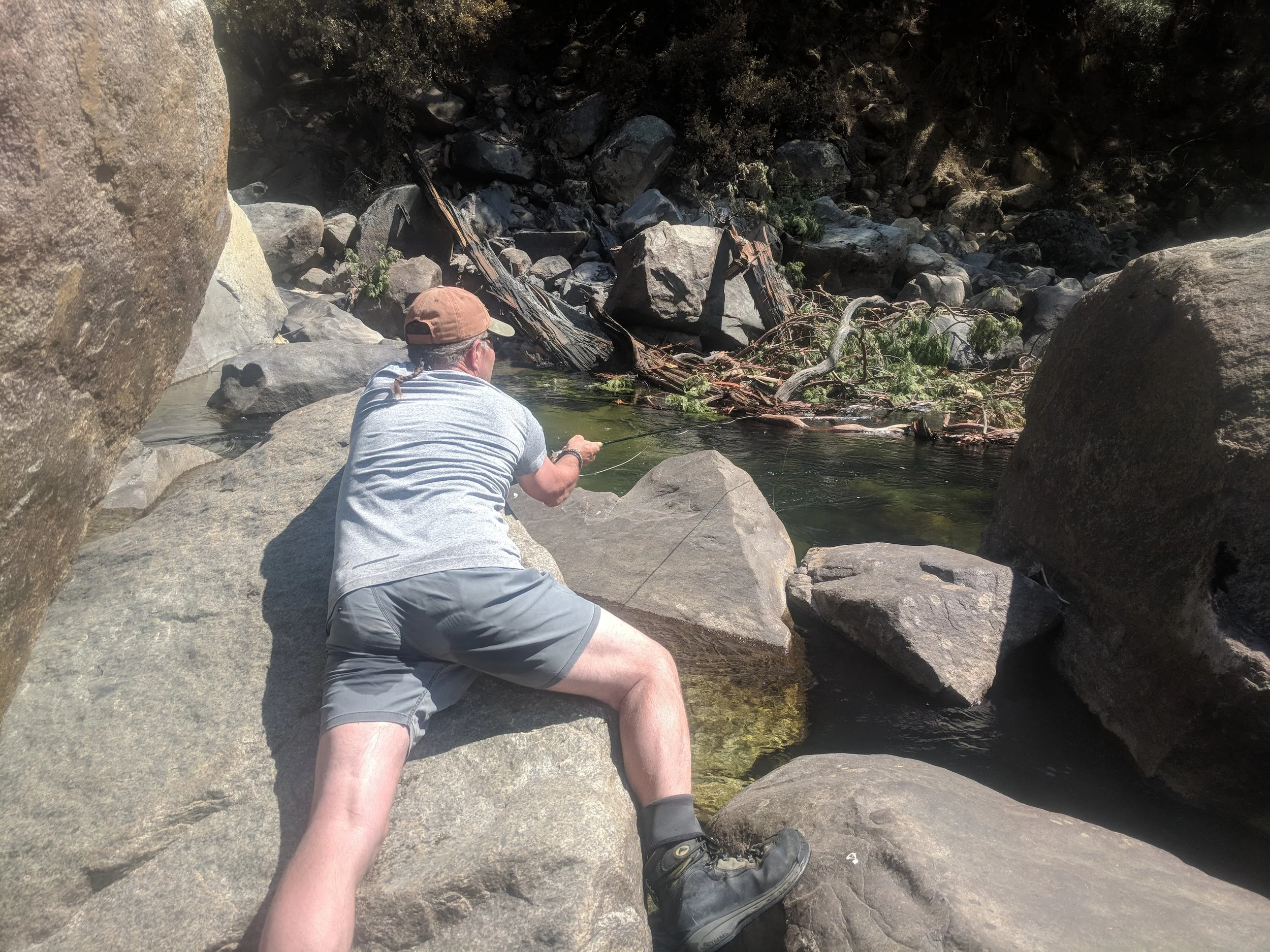
The Merced River exits Yosemite Valley and enters the Merced Gorge. A technical and challenging section of river that is defined by its granite boulders the size of New York and San Francisco apartments. A torrent is the spring, this section is best fished late season. Tread lightly, be careful, this is one of the great multi-sport sections of river I’ve ever encountered and is better fished with company. The Merced enters El Portal’s larger runs and glacial boulder fields, where access continues to get easier as it parallels Highway 140. It then passes the South Fork of the Merced, one of its biggest tributaries. Spring whitewater rafting transitions to summer swimming holes. As the season progresses, a thermometer becomes necessary, as the fishery goes from a coldwater trout stream to a warmwater fishery. It loses its Wild N’ Scenic designation past the North Fork and enters into Lake McClure. After a series of dams, it begins flowing free again. This time into a section that has diverse species along with high demands placed on it by one of the worlds greatest modified agricultural environments. The Merceds terminus ends in the San Joaquin, California’s second largest watershed, where it often meets a dry and dead river in late Summer.
“Down through the middle of the Valley flows the crystal Merced, River of Mercy, peacefully quiet, reflecting lilies and trees and the onlooking rocks; things frail and fleeting and types of endurance meeting here and blending in countless forms, as if into this one mountain mansion Nature had gathered her choicest treasures, to draw her lovers into close and confiding communion with her.” - John Muir